




|
Early and Accurate CKD Screening Matters: Indoxyl Sulfate Emerges as a Key Biomarker |
Early and precise detection is the cornerstone of kidney health. Current statistics reveal that Taiwan’s prevalence of Chronic Kidney Disease (CKD) stands at approximately 11.9%—meaning one in nine adults faces potential renal dysfunction. Because early-stage CKD is often asymptomatic, nearly 90% of patients remain unaware of their condition until it reaches an advanced stage.
On World Kidney Day, nephrologists are highlighting a critical gap: traditional kidney function indicators often only show abnormalities after significant damage has occurred. By incorporating measurements of protein-bound uremic toxins, specifically Indoxyl Sulfate (IS), clinicians can more accurately assess the kidneys' true detoxification burden. This makes IS a vital tool for early detection and precision treatment.
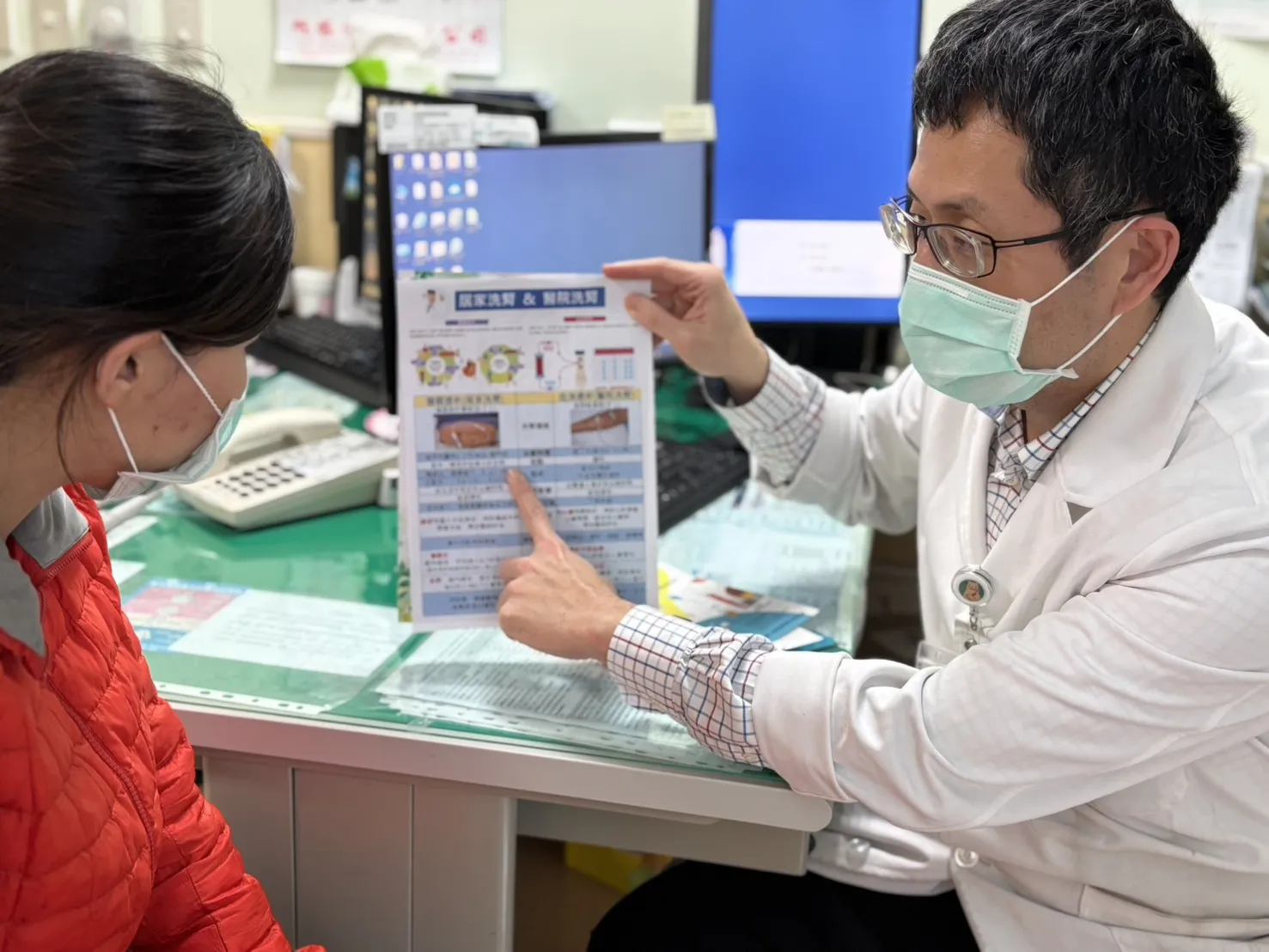
(Photo Caption: Nephrologist Dr. Hou Yi-Chou warns that high-purine and high-protein diets not only trigger gout but also lead to a buildup of uremic toxins, significantly increasing the workload on impaired kidneys. [Source: Leadgene Biomedical])
A Case Study in "Silent" Damage
Dr. Hou Yi-Chou of Cardinal Tien Hospital, New Taipei City, shared a recent case of a 38-year-old man who developed sudden skin flushing, itching, and dizziness after consuming a seafood feast rich in shrimp. The patient, with a history of gout and hyperlipidemia and a family history of CKD, was rushed to the hospital.
Clinical tests revealed an episode of Acute Kidney Injury (AKI). His uric acid levels soared to 9.8 mg/dL (normal range for men: 3.4–7.0), while his Indoxyl Sulfate levels climbed to 3.23 μg/mL (normal <2.233).
“High-purine and high-protein foods not only provoke gout but also lead to accumulation of uremic toxins, increasing stress on the kidneys,” Dr. Hou explained. Indoxyl Sulfate is a byproduct of protein metabolism. When kidney function is compromised, this "chemical waste" fails to be excreted, creating a vicious cycle that accelerates further renal damage.
The 10% Awareness Gap
According to the 2025 Taiwan Clinical Practice Guidelines For Chronic Kidney Disease, approximately 1.5 million Taiwanese adults (aged 20+) live with Stage 3–5 CKD, yet only 10% are aware of their diagnosis.
Dr. Hou noted that while the estimated Glomerular Filtration Rate (eGFR) remains a standard reference, measuring Indoxyl Sulfate provides deeper insight, particularly for patients with hyperuricemia. “High-purine foods—such as seafood and organ meats—and excessive protein intake are major culprits behind elevated uremic toxins and uric acid burdens,” he added. Through proper medication and strict protein intake management, the patient’s kidney function has since stabilized, and eGFR levels have stopped declining.
Protecting the "Three Highs" Population
Data from the Health Promotion Administration, Ministry of Health and Welfare (HPA) indicates that one in five adults over 40 with metabolic syndrome might have impaired kidney function. Furthermore, long-term use of Non-Steroidal Anti-Inflammatory Drugs (NSAIDs) increases kidney risk by 2.94 times.
Dr. Hou warned that smoking, obesity, and cardiovascular diseases also act as “silent accelerants” of kidney damage. He urged the public to monitor warning signs such as foamy urine or swelling and to utilize adult preventive health checkups. Incorporating Indoxyl Sulfate testing offers a more precise assessment, helping patients build a "protective wall" to delay or prevent the need for future dialysis.
最終更新:
