




Everyday Health News | Special Feature Interview by Gioia
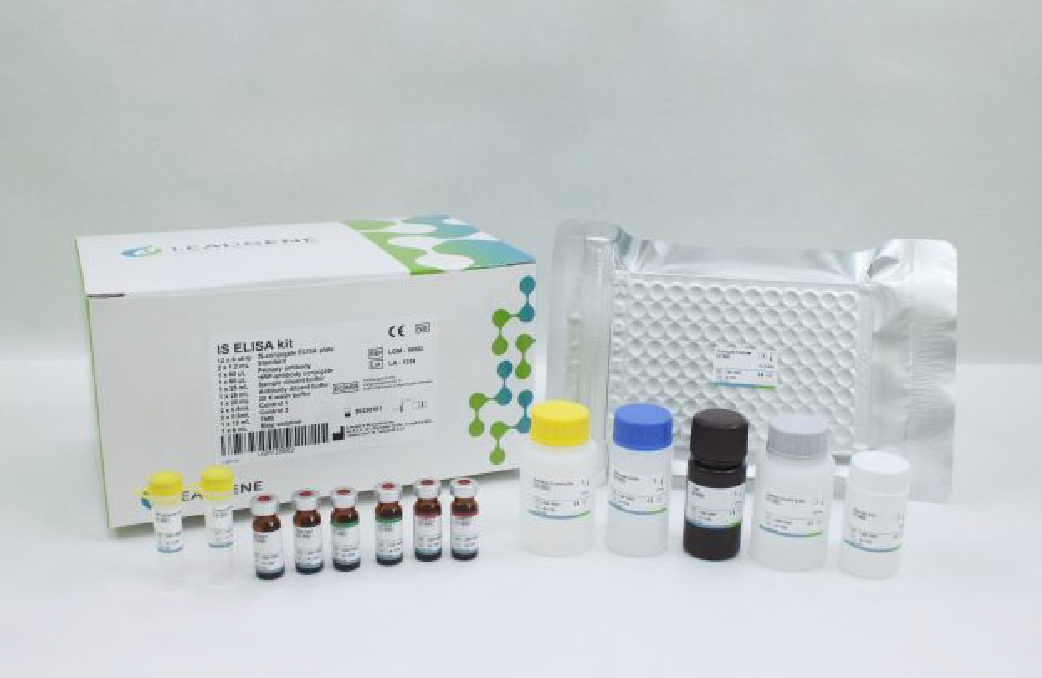
Driven by the global surge in precision medicine, Taiwan’s biotechnology industry has achieved another major milestone in the international in vitro diagnostics (IVD) market. Leadgene Biomedical, a leader in domestic IVD and biotech raw materials, recently announced that its proprietary Leadgene® Indoxyl Sulfate (IS) ELISA Kit has officially received market approval from Australia's Therapeutic Goods Administration (TGA) as a Class 2 In Vitro Diagnostic (IVD) medical device. Adding to its growing list of international approvals, this clearance underscores Leadgene Biomedical’s top-tier R&D capabilities and brings a more precise clinical care and health management option to kidney disease patients across Oceania.
As demand for preventive medicine and precision diagnostics continues to rise, data from Statista cited in a Taiwan Institute of Economic Research (TIER) report estimates that Taiwan's domestic IVD services market will reach US$450 million by 2025, maintaining a steady upward trajectory. Within this strong growth momentum, early screening and personalized medicine have become the absolute core of the industry's future development. In particular, companies equipped with liquid biopsy precision and multi-omics analytical capabilities are positioned to establish differentiated competitive advantages across the medical diagnostic value chain. As a leading brand in Taiwan's IVD sector, Leadgene Biomedical’s successful entry into Australia’s highly stringent regulatory market with its internally developed Indoxyl Sulfate test kit marks not only a major milestone in its global expansion, but also compelling proof of Taiwan’s biomedical diagnostic technology stepping onto the world stage.
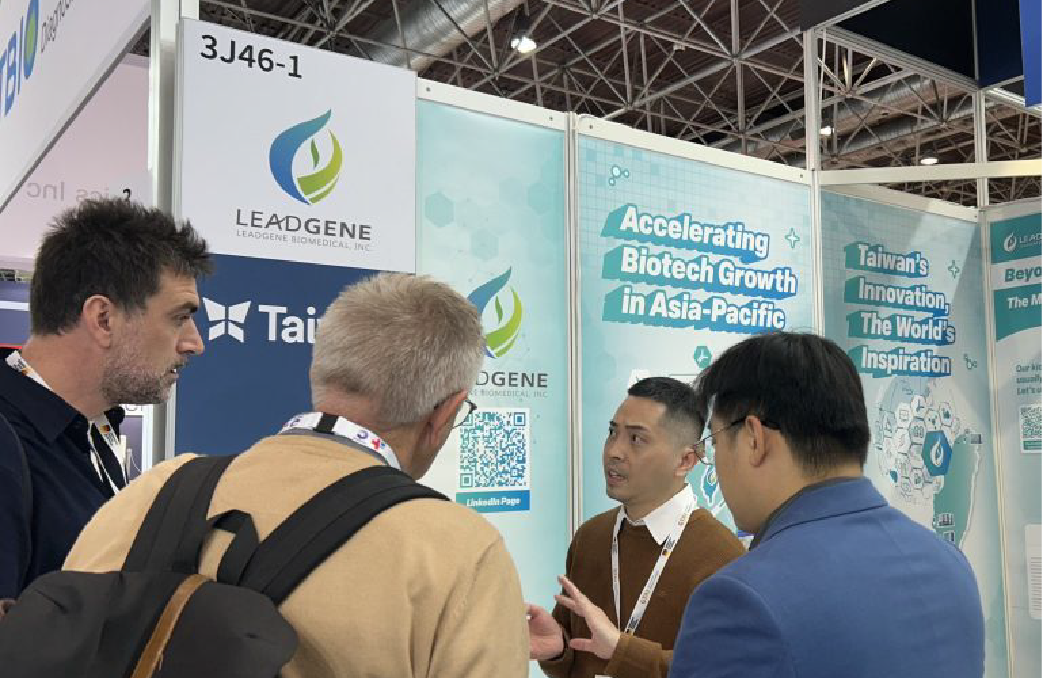
Upholding the "Created in Taiwan" spirit, Leadgene Biomedical continues to advance core R&D in high-end IVD reagents and biological raw materials as it actively expands into international markets. (Provided by Leadgene Biomedical)
Currently, clinical evaluation of chronic kidney disease (CKD) relies heavily on estimated glomerular filtration rate (eGFR), serum creatinine, and urine albumin-to-creatinine ratio (UACR). However, these conventional indicators only reflect kidney filtration function and structural damage. They fail to directly reveal the severity of toxin accumulation in the body—especially protein-bound uremic toxins like Indoxyl Sulfate (IS), which carry high cytotoxicity and are notoriously difficult to remove through standard dialysis.
Yung-Chun Chuang, Chairman of Leadgene Biomedical, emphasized: "The essence of precision medicine lies in prevention. Long-term accumulation of Indoxyl Sulfate in patients triggers vascular endothelial inflammation and accelerates renal tubular fibrosis. Incorporating IS testing not only addresses traditional diagnostic blind spots, but also empowers physicians to accurately assess kidney function and comorbidity risks, ultimately enabling personalized, highly targeted treatment strategies."
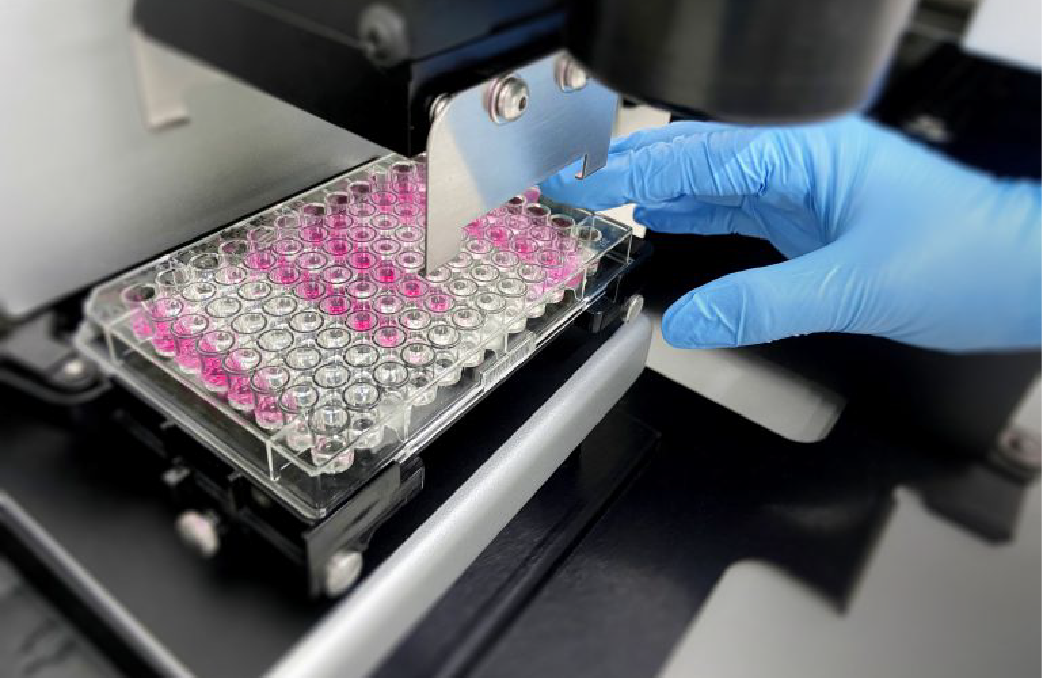
The accumulation of the protein-bound uremic toxin "Indoxyl Sulfate" accelerates renal function deterioration and serves as a critical warning sign for cardiovascular disease. Monitoring IS concentration aids in assessing overall comorbidity risk. (Provided by Leadgene Biomedical)
Australian medical device regulations are globally renowned for their strict standards. Securing market clearance demonstrates that the Leadgene® Indoxyl Sulfate (IS) ELISA Kit fully complies with the highest international standards for safety, specificity, and clinical efficacy. The product has already earned Class 3 IVD certification from Taiwan’s Food and Drug Administration (TFDA), CE-IVD marking in the EU, as well as regulatory approvals in Singapore and Vietnam. Moving forward, Leadgene Biomedical will continue to uphold its "Created in Taiwan" ethos, deepening R&D in high-end IVD reagents and biological raw materials while aggressively expanding its global footprint—delivering Taiwan’s advanced biomedical technologies to healthcare systems worldwide to benefit more patients.
最終更新:
