




Original article by Dietitian CHANGE, CHIA-EN
Translated by Leadgene Biomedical, Inc.
In today’s high-stress society, many people turn to tryptophan (TRP) supplements to improve sleep quality. However, a groundbreaking study published in npj Science of Food (a Nature portfolio journal) by researchers from Taipei Tzu Chi Hospital and National Taiwan University College of Medicine (January 2025) reveals that the effects and risks of tryptophan vary significantly based on the individual.
Based on this research and related clinical findings, here are five essential insights into the world of precision nutrition:
- How Tryptophan Works: The Diversity of Metabolism
Tryptophan is an essential amino acid that follows three primary metabolic pathways in the human body: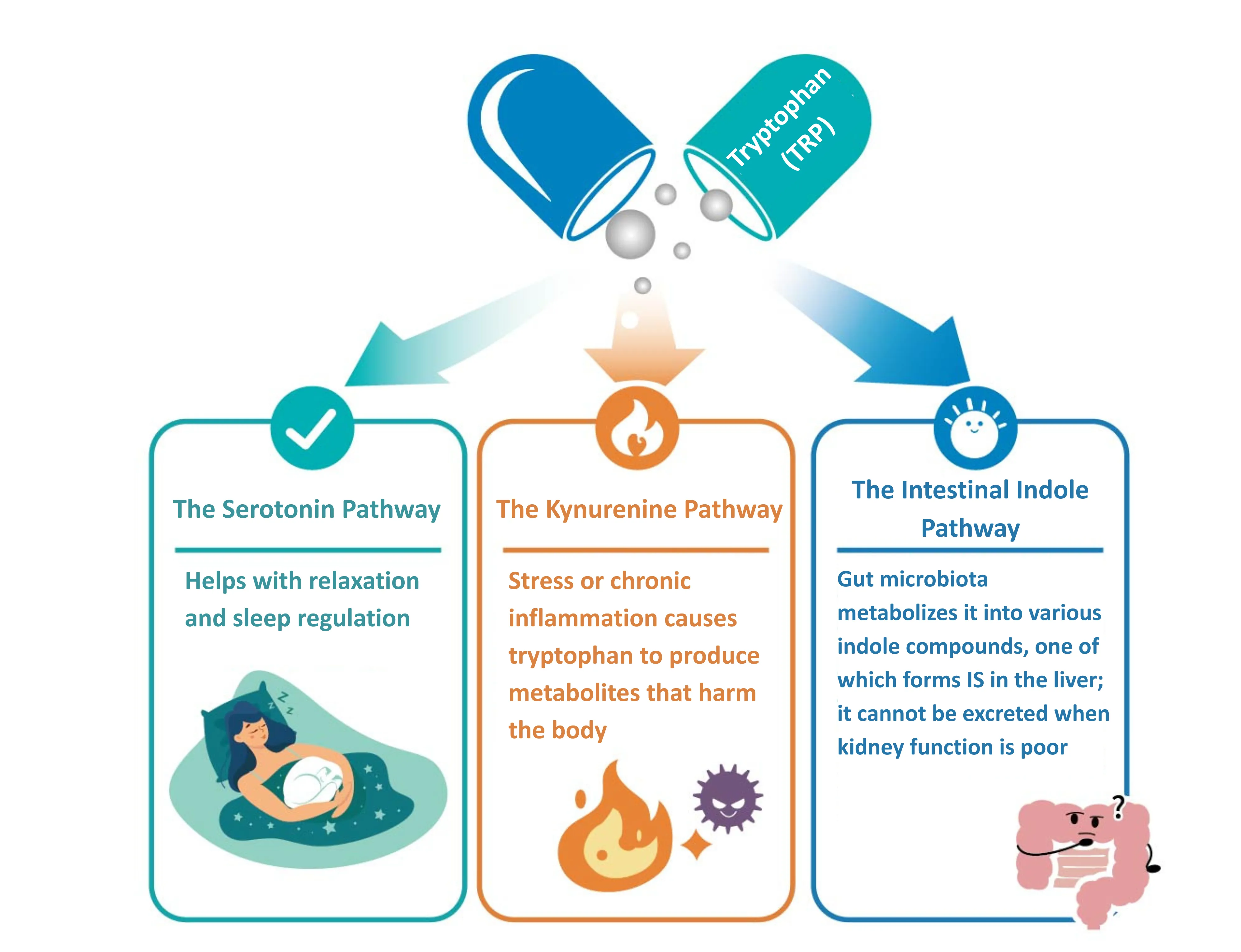
1. The Serotonin Pathway: Primarily known for regulating mood and promoting sleep.
2. The Kynurenine Pathway: Involved in immune response and inflammation.
3. The Intestinal Indole Pathway: Influenced by gut microbiota.
While it promotes sleep via serotonin, tryptophan is also converted by gut bacteria into indole-3-propionic acid (IPA) and indole-3-aldehyde—compounds that offer protective benefits for blood vessels and organs. - Finding Your "Metabolic Phenotype"
The study found that individual responses to tryptophan are highly diverse. Among 72 healthy adults taking a 2,000 mg dose, the concentration of the harmful metabolite indoxyl sulfate (IS) varied widely. Participants were classified into two groups:
1. High Producers: These individuals possess higher levels of specific intestinal bacteria (e.g., Bacteroides salyersiae and Fusobacterium species). For them, extra tryptophan intake—whether as a single or compound supplement—may significantly raise IS levels.
2. Low Producers: These individuals produce less IS and may be better candidates for supplementation.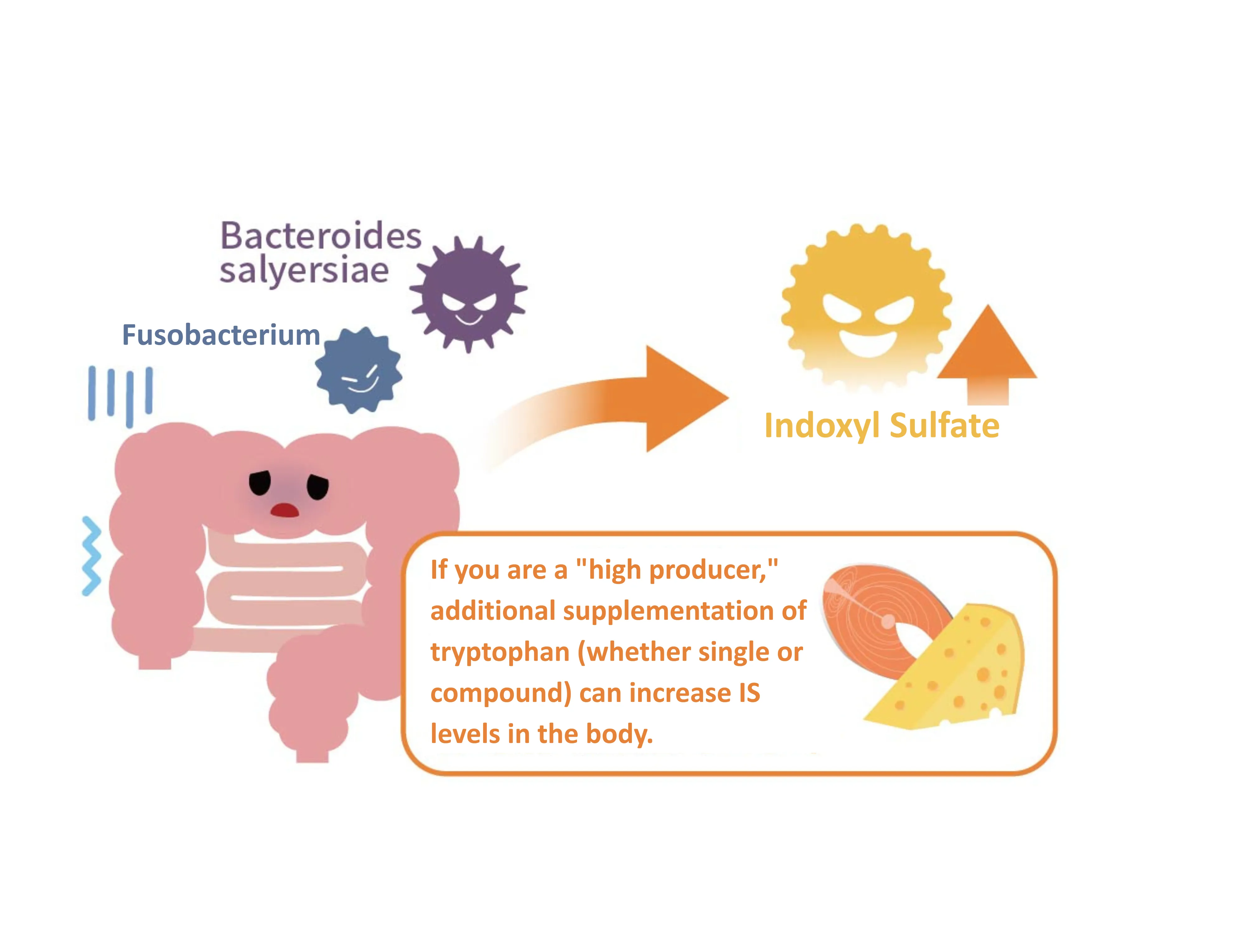
The Risk: Even in healthy individuals with normal kidney function, elevated IS levels are correlated with a higher incidence of adverse cardiovascular events over a three-year period.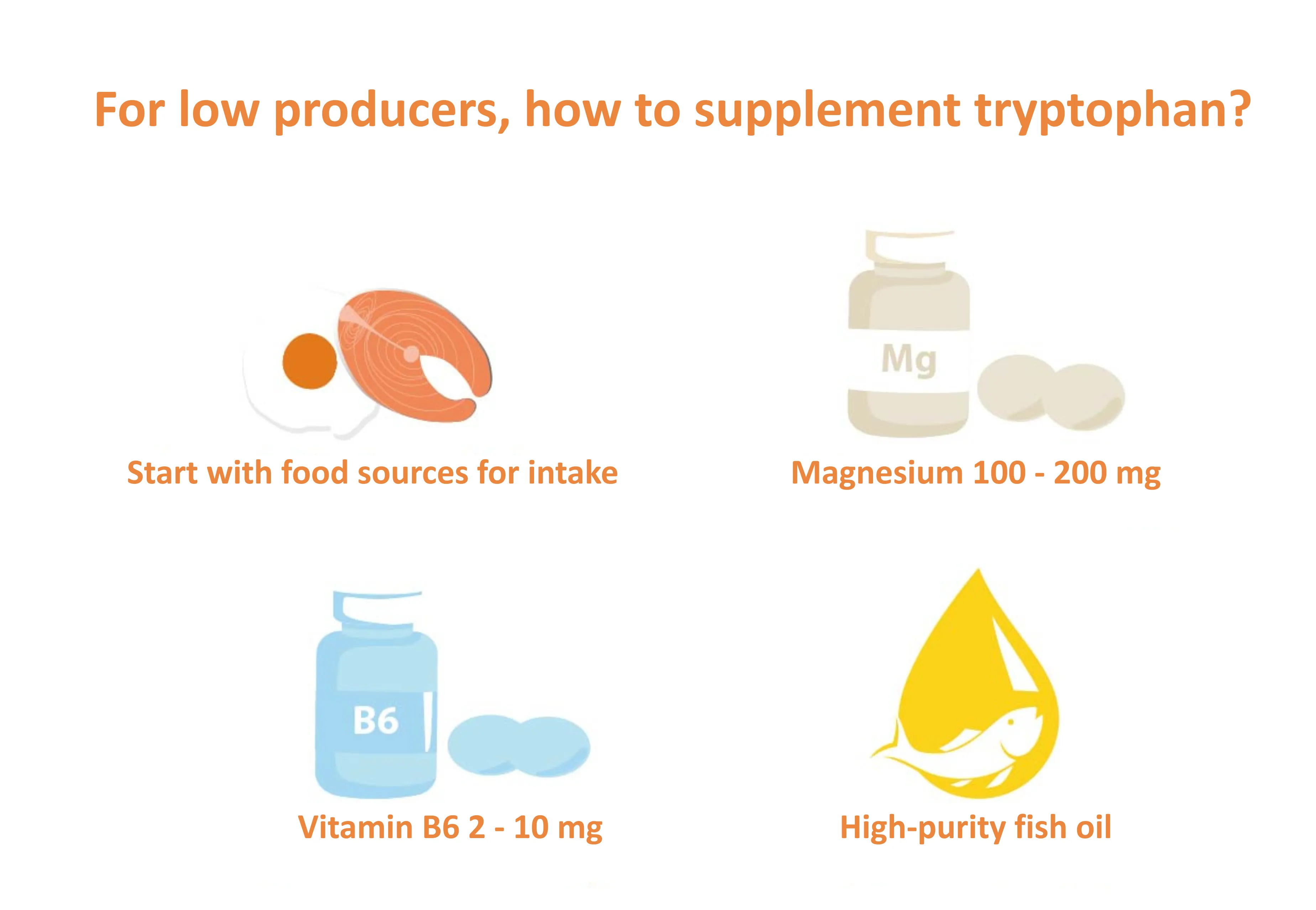
For those identified as low producers who still wish to use tryptophan to promote sleep, it is recommended to:
1. Start with dietary sources or a minimal supplement dose (around 5 mg/kg body weight).
2. Combine with magnesium (100–200 mg), vitamin B6 (2–10 mg), high-purity fish oil (omega-3, 1000–2000 mg), and moderate carbohydrates to enhance tryptophan’s uptake into the brain. - The Danger of Indoxyl Sulfate (IS) in Kidney and Heart Health
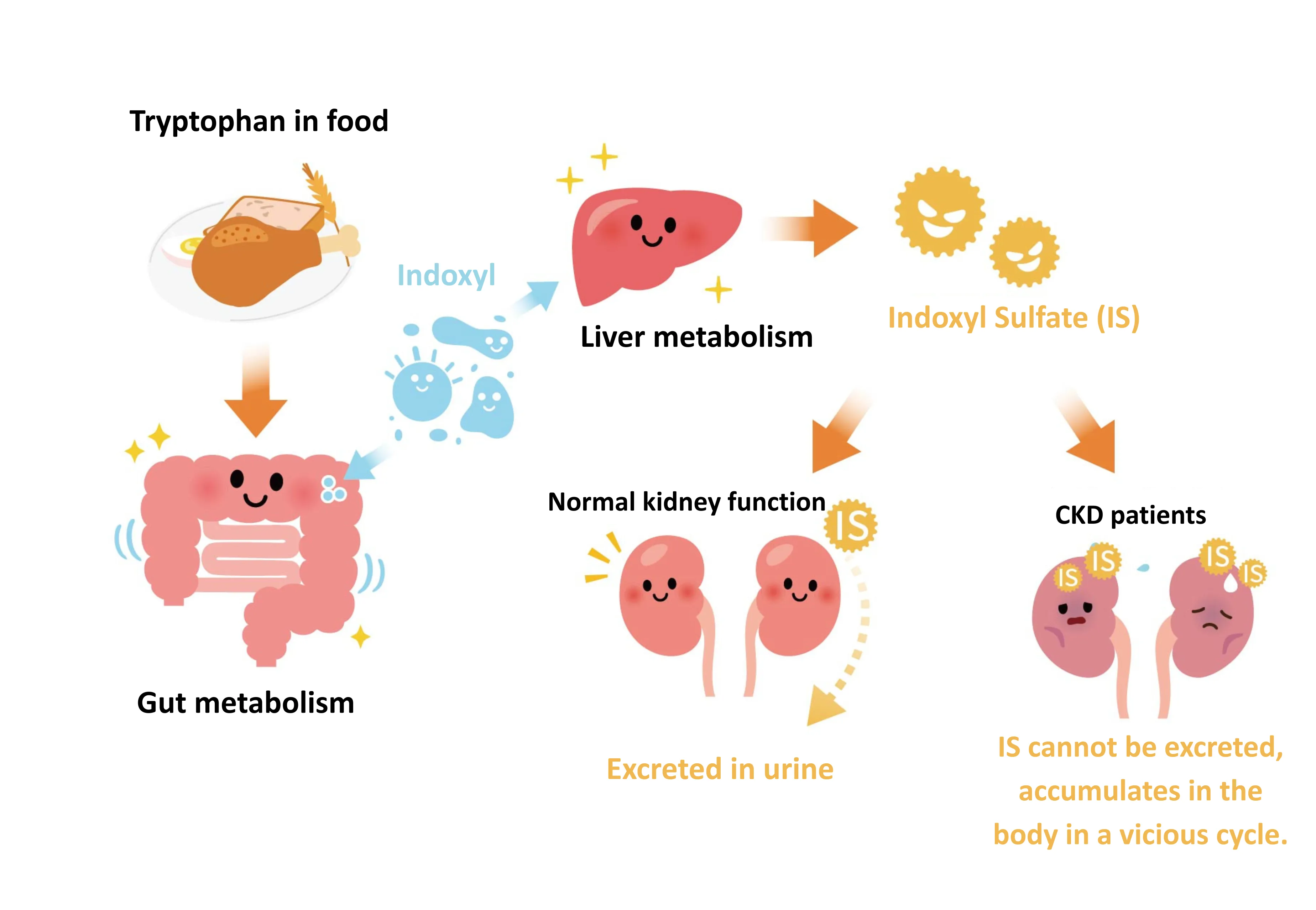
For those with impaired kidney function or Chronic Kidney Disease (CKD), IS poses a severe threat:
• The Formation of IS: Dietary tryptophan is converted by bacteria (primarily E. coli containing the enzyme tryptophanase) into indole. This is absorbed and then metabolized in the liver into Indoxyl Sulfate (IS).
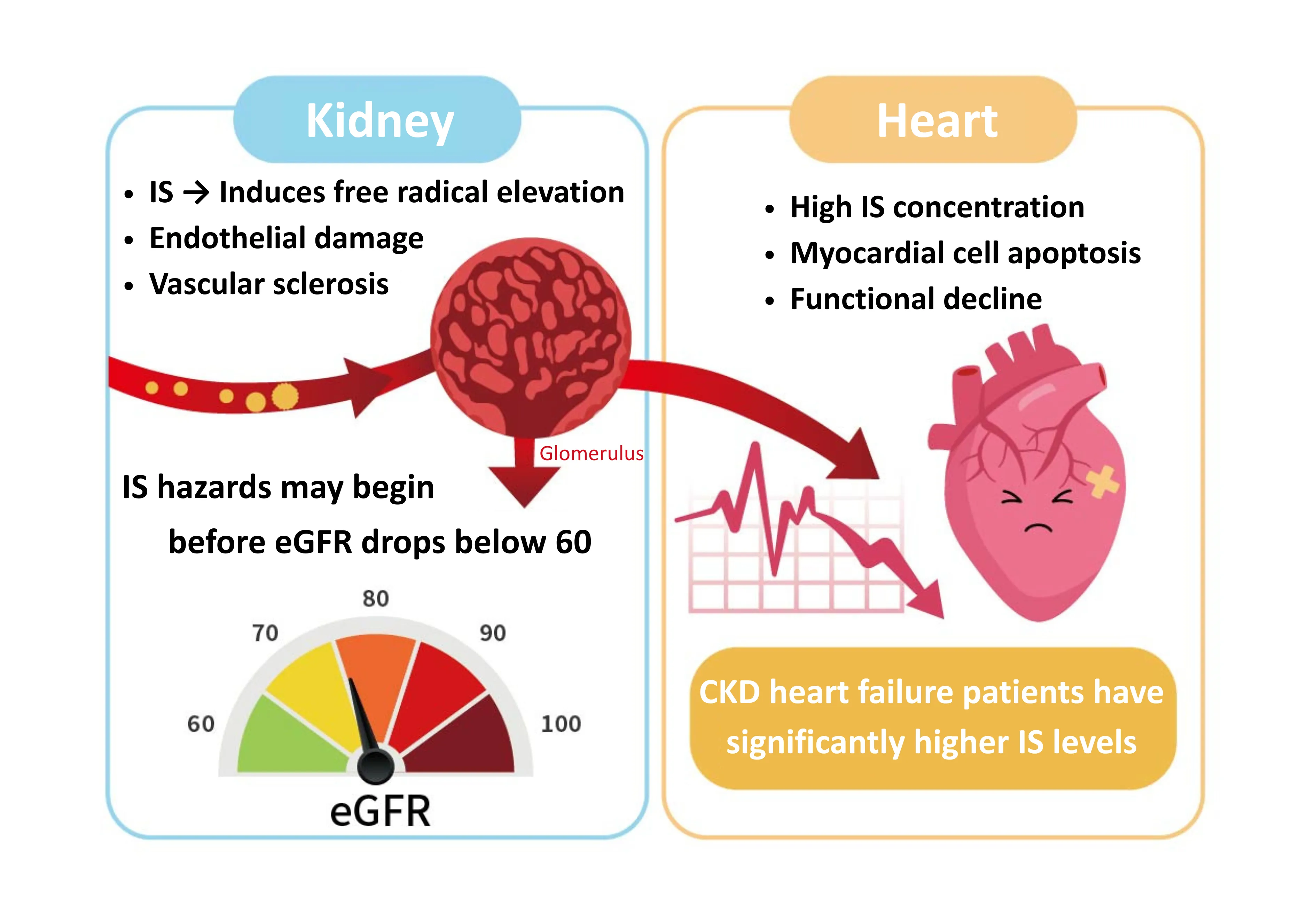
• The Vicious Cycle: While healthy kidneys excrete IS, it accumulates in CKD patients. Because it is a protein-bound toxin (binding rate >90%), it cannot be efficiently removed by conventional dialysis.
• Organ Damage: IS induces Reactive Oxygen Species (ROS), leading to glomerular sclerosis and interstitial fibrosis. This damage can occur even before the eGFR drops below 60.Articles published in the Journal of the American Society of Nephrology (JASN) (2014, 2019) confirmed that IS damages cardiovascular tissues and contributes to vascular calcification and impaired glucose tolerance—making it a key factor in CKD-related cardiovascular deaths.
A 2019 clinical study by Chang Gung Memorial Hospital and Chang Gung University Medical College, involving 147 CKD stage 1–5 patients followed over three years, identified IS as a potential predictor of cardiovascular events.
In summary, IS concentration correlates positively with age, declining eGFR, and constipation. Prolonged intestinal transit time increases IS retention.
Thus, even non-CKD individuals experiencing chronic inflammation from factors like extreme stress, highly processed foods, or gut disorders (IBS, constipation) may also face increased cardiovascular risk due to altered tryptophan metabolism along the kynurenine pathway. Early testing is recommended.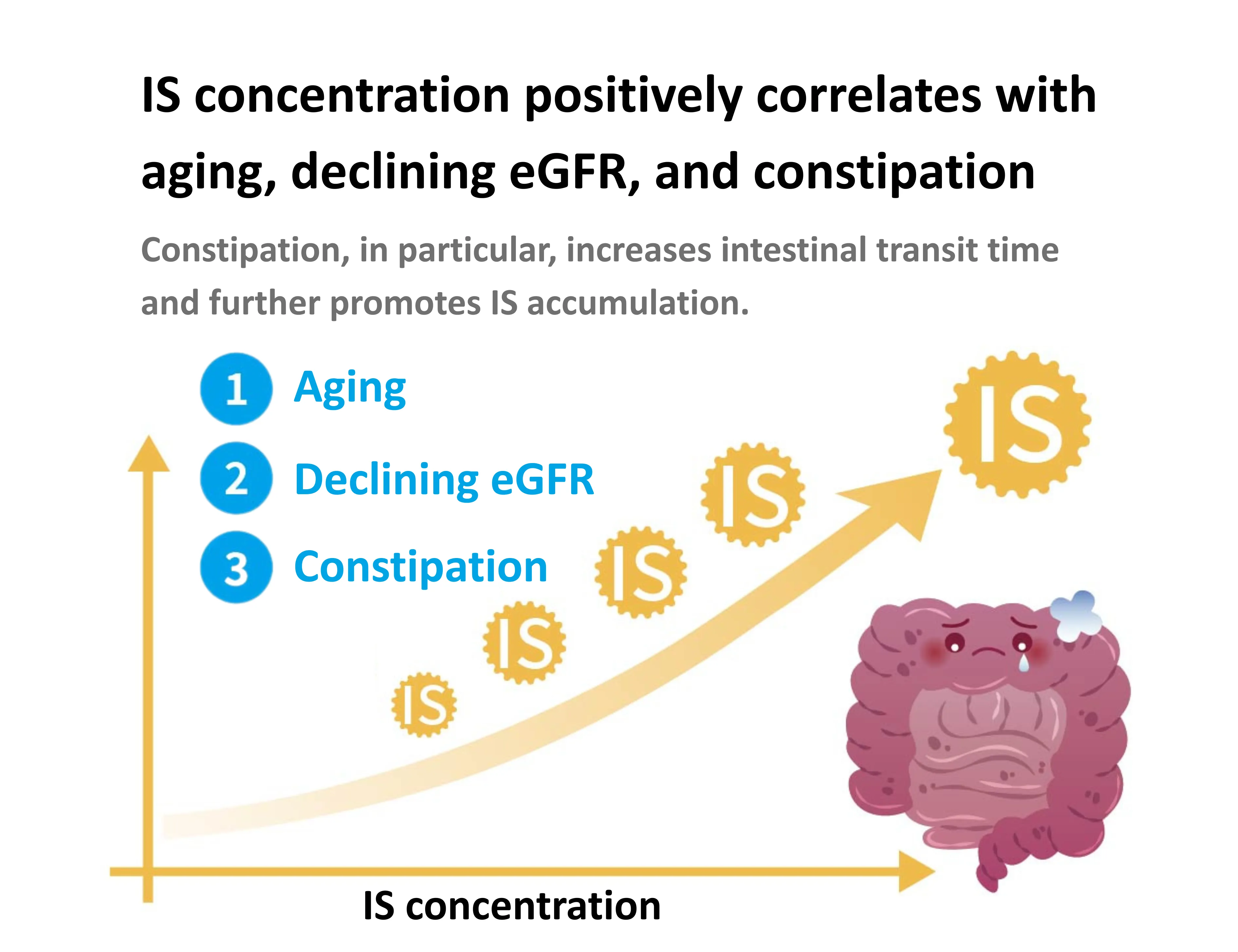
- Safer Alternatives for Sleep Support
If you are unsure of your kidney function or wish to avoid the risks of IS, consider these "safe detour" strategies:
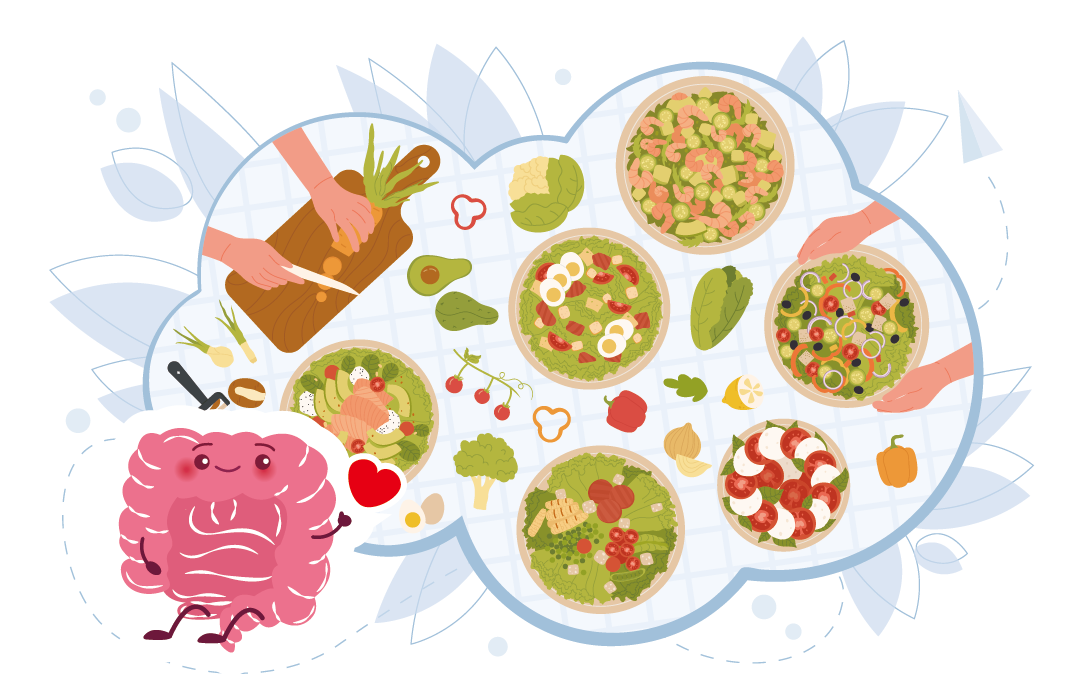
• Improve Gut Health: Increase dietary fiber to reduce constipation and lower blood urea nitrogen (BUN).
• Dietary Adjustments: Follow a Mediterranean diet, consume sulfur-rich vegetables (like broccoli), and avoid high-temperature cooking that produces Advanced Glycation End-products (AGEs).
Alternative Sleep Aids:Alternative Sleep Aids:
• GABA (250–500 mg): A calmer alternative to tryptophan.
• Low-dose Melatonin (1–3 mg): Use under physician guidance.
• Nutritional Support: 1–2 Brazil nuts (for selenium), CoQ10, or glutathione.
• Lifestyle: 30–60 minutes of daily aerobic exercise. - Identifying "Silent Warning Signs"
"Sub-healthy" individuals with normal eGFR can still suffer from hidden IS buildup.
Watch for these indicators:"Sub-healthy" individuals with normal eGFR can still suffer from hidden IS buildup. Watch for these indicators:
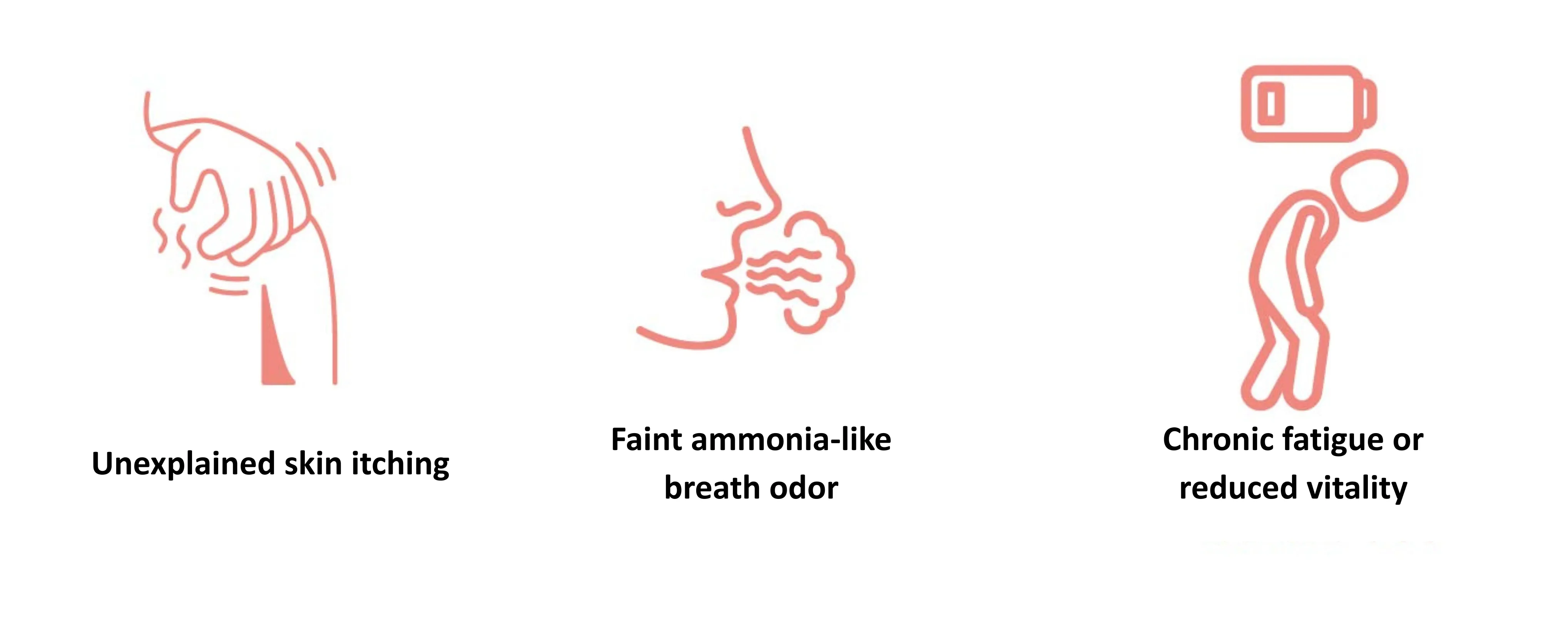
• Physical Clues: Unexplained skin itching, faint ammonia-like breath odor, chronic fatigue, or reduced vitality.
• Clinical Indicators: Look for microalbuminuria or elevated high-sensitivity C-reactive protein (hs-CRP) in health reports, which suggest chronic inflammation and vascular endothelial injury.
References
[4] Zhang, Y., Han, X., Feng, T., Li, Z., Yu, H., Chen, Y., Gao, Y., Gao, Q., Zhang, L., Li, S., Shi, L., Zhang, X., Li, Z., Li, Y., & Zhou, H. (2025). Gut-microbiota-derived indole sulfate promotes heart failure in chronic kidney disease. Cell Host & Microbe, 33, 1715–1730.
[5] Hisano, M., Abe, T., Sekiguchi, K., Hakozaki, E., Takahashi, F., Tanno, K., Abe, T., Takeuchi, K., Maruyama, T., Takata, R., & Obara, W. (2025). The evaluation of indoxyl sulfate in the general population in Kanegasaki Iwate: A cross-sectional study (KANEGASAKI study). PLOS One, 20(12), e0332655.
[8] Imazu, M., Fukuda, H., Kanzaki, H., Amaki, M., Hasegawa, T., Takahama, H., Hitsumoto, T., Tsukamoto, O., Morita, T., Ito, S., et al. (2020). Plasma indoxyl sulfate levels predict cardiovascular events in patients with mild chronic heart failure. Scientific Reports, 10, 16528.
