




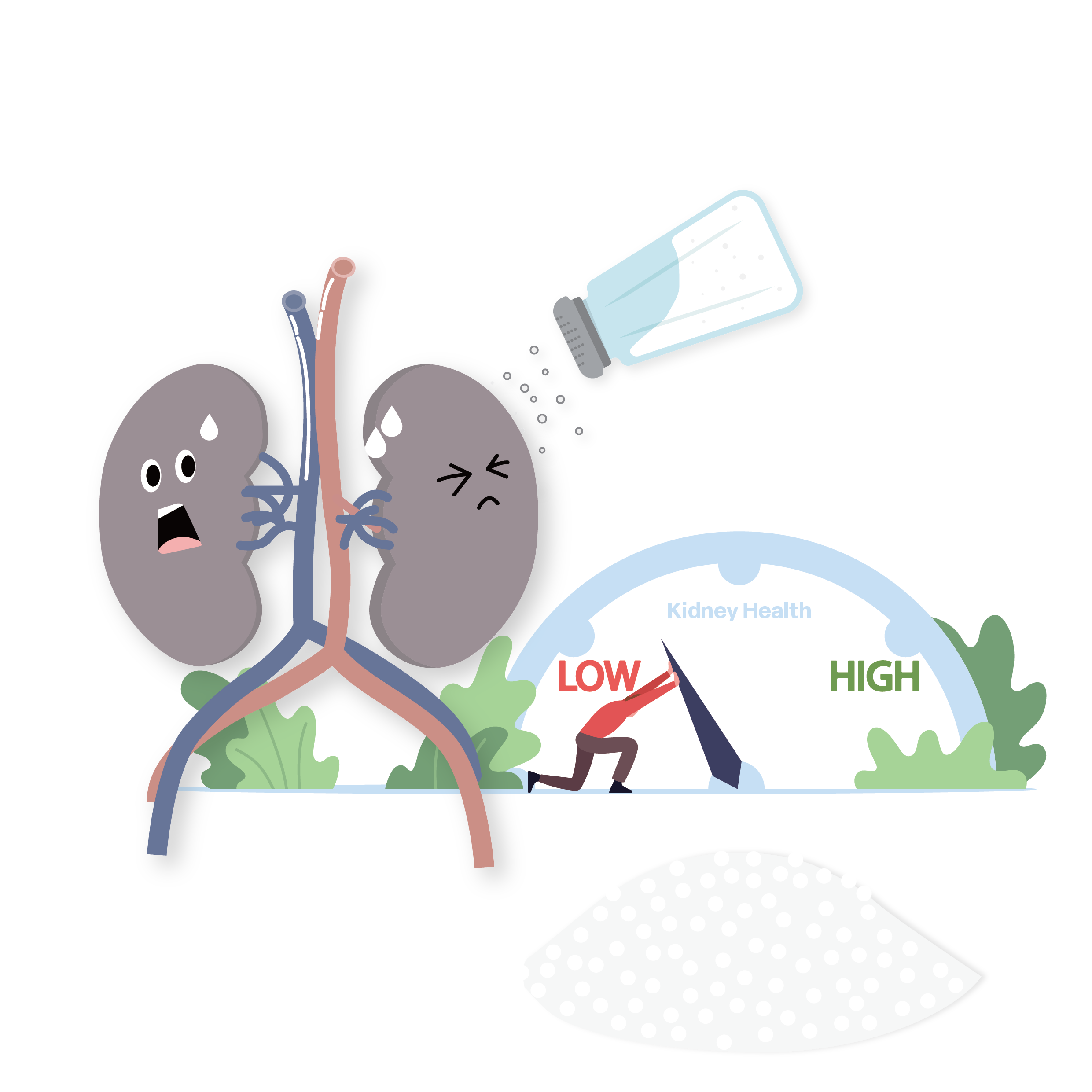
Did you eat too much salt today?
Salt is one of the most common sodium-containing seasonings in daily diets, whether in cooking or food processing (such as pickled foods, sauces, etc.). According to data from the Ministry of Health and Welfare, the average daily sodium intake of Taiwanese people is about 3821 milligrams for men and 3569 milligrams for women, equivalent to about 9–12 grams of salt. This is far above the World Health Organization (WHO) recommendation of no more than 5 grams of salt (about 2000 milligrams of sodium) per day.
Many studies have indicated that excessive salt intake is closely related to the risk of diseases such as hypertension, arteriosclerosis, heart disease, and kidney disease, and may even accelerate the deterioration of kidney function.
Reducing salt intake isn’t as difficult as it seems. By adopting five small daily habits, you can quietly improve your kidney health:
Less Salt ≠ Less Flavor: Enhance Taste with Natural Ingredients
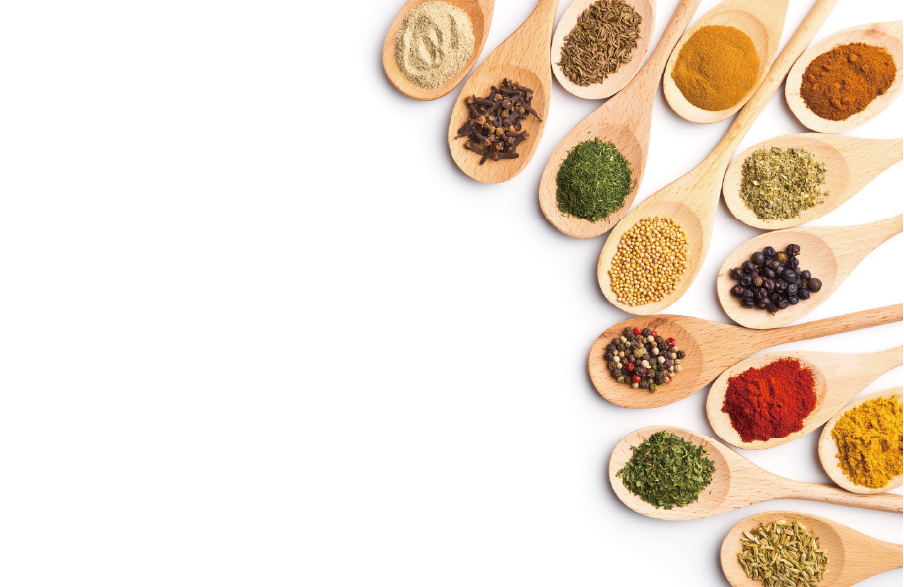
Don’t worry about losing flavor
Use less salt and rely more on spices and natural acidity to reduce dependency on strong flavors.
For Those Who Eat Out: Choose "Less Sauce, Less Soup" Options

Eating out often leads to excessive salt intake. Next time you order a meal, try saying:
- "Serve the sauce separately."
- "Make the soup less salty."
- "Use less soy sauce paste or chili sauce."
These small actions can help reduce sodium intake by at least 1 gram!
Understand Food Labels: Monitor "Sodium Content"
Processed foods and snacks often hide high sodium traps. Before purchasing, check labels and choose products with sodium content less than 120mg per 100g.
You can also convert: "400 milligrams of sodium ≈ 1 gram of salt," making it easier to track total intake.
Limit Processed Foods: Ham, Instant Noodles, Canned Foods, Seasonings
Processed foods like ham, instant noodles, canned foods, and seasonings often contain alarming amounts of sodium. Here are some common examples:
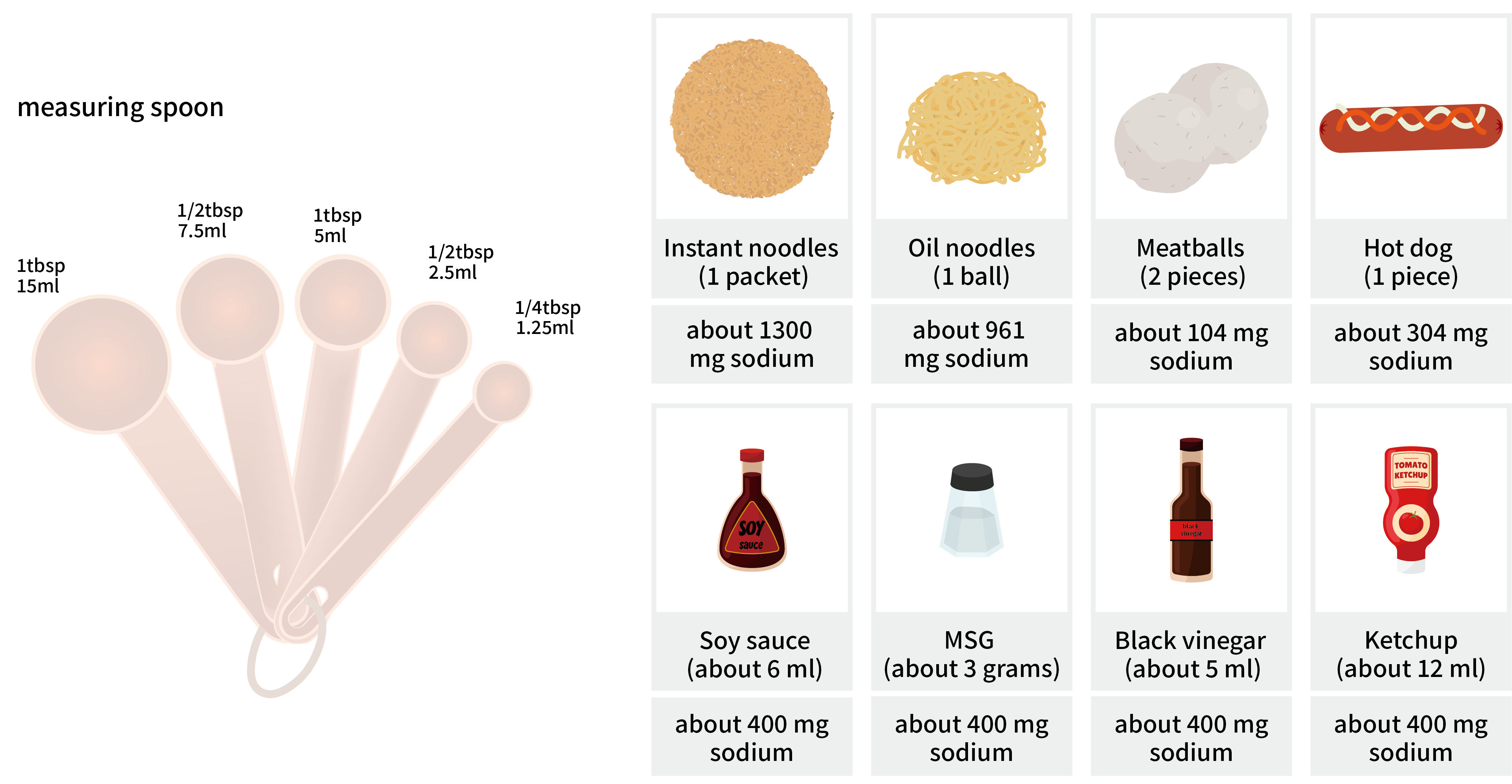
- Instant noodles (1 packet): about 1300 mg sodium
- Oil noodles (1 ball): about 961 mg
- Meatballs (2 pieces): about 104 mg
- Hot dog (1 piece): about 304 mg
- Soy sauce (6 ml, about 1 1/5 teaspoons): about 400 mg
- MSG (about 3 grams, 1 teaspoon): about 400 mg
- Black vinegar (about 5 ml, 1 teaspoon): about 400 mg
- Ketchup (about 12 ml, 2.5 teaspoons): about 400 mg
1 gram of salt (400 mg sodium) = 1/5 teaspoon of salt (1 teaspoon = 5 ml).
Occasional consumption is fine, but avoid eating these daily, especially if you have weakened kidney function. Be sure to deliberately control your intake of these high-sodium foods.
Choose Whole Foods and Cook at Home for Peace of Mind
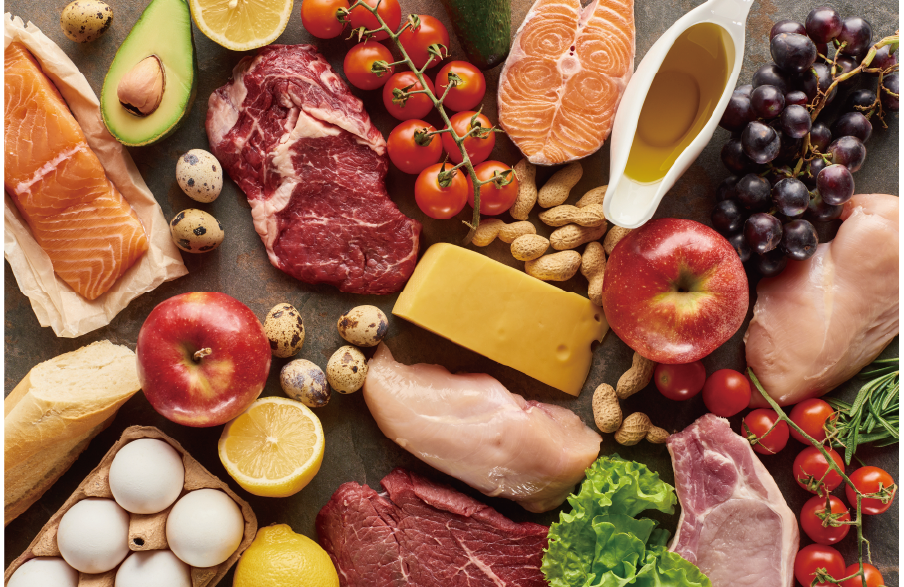
Instead of eating unknown processed foods, opt for "whole foods"—natural ingredients that haven’t been pickled, smoked, processed, or seasoned, such as:
- White rice, sweet potatoes
- Fish, eggs
- Fresh vegetables, tofu
These foods are naturally low in sodium, and cooking them yourself allows you to control the amount of salt and sauces used. This is the true path to healthy sodium reduction and kidney protection. In contrast, processed products like pickled tofu, salted eggs, and sausages can easily lead to "unnoticed" excessive sodium intake.
Reminder: Too Little Sodium Isn’t Good Either!
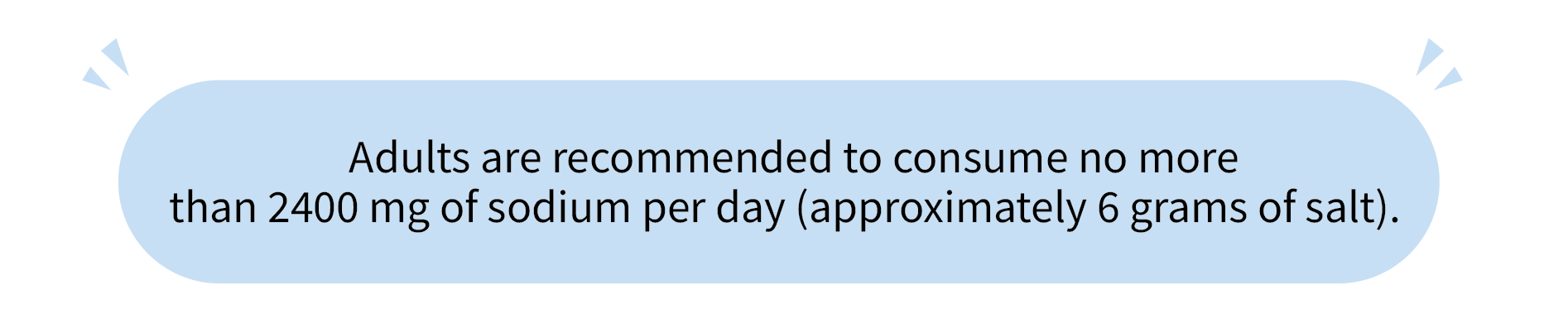
While reducing salt is essential, completely avoiding sodium is unnecessary. Adults are recommended to consume no more than 2400 mg of sodium per day (approximately 6 grams of salt).
The key is moderation—avoid excessive intake and don’t fall for extreme dietary methods.
References:
[1]Ministry of Health and Welfare - Sodium Reduction Tips Manual
[2]Sodium Reduction Tips Manua
[3]National Taiwan University Hospital - Health Supplement: Low Sodium Diet Station
